
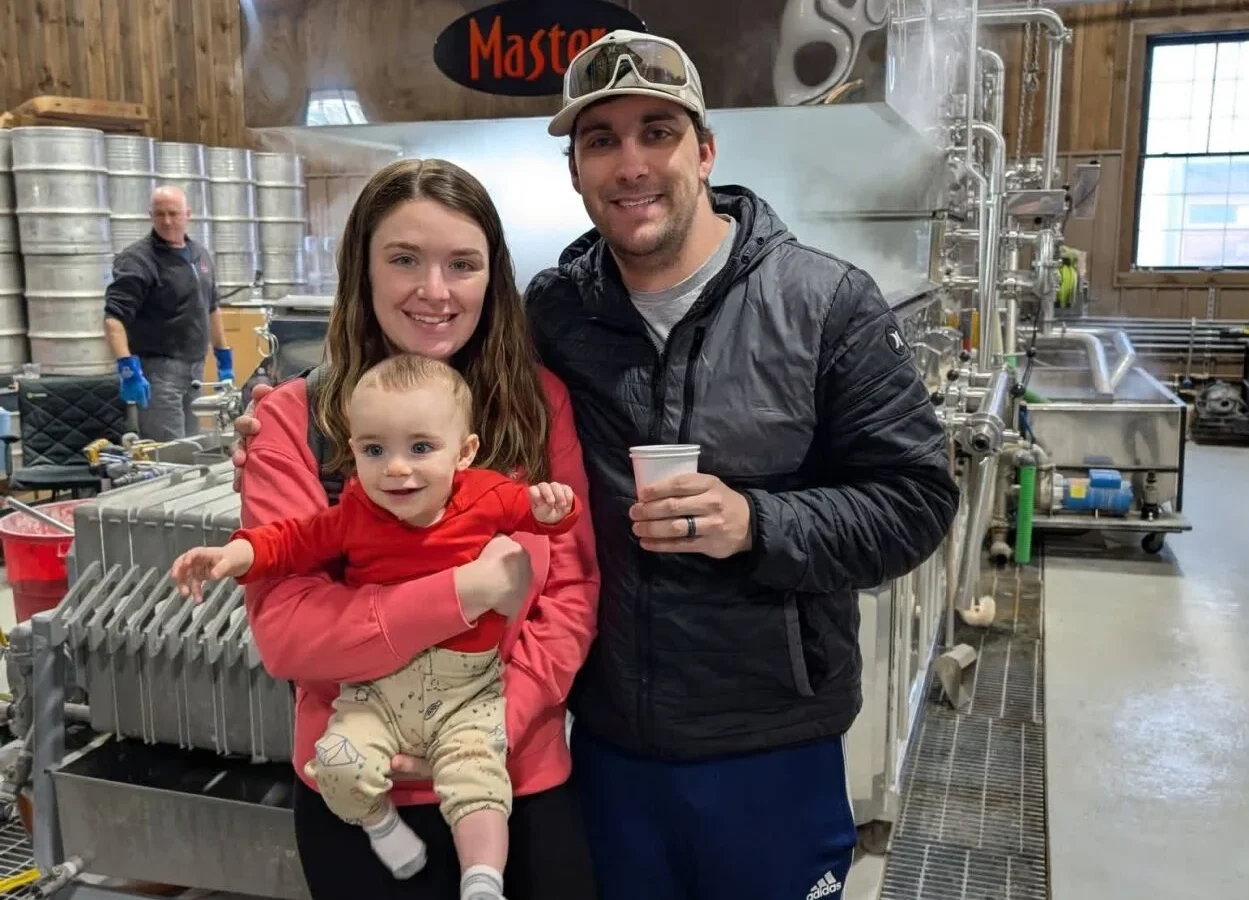
Caylin Nielsen started having contractions unexpectedly, only a few hours after enjoying a friend’s wedding rehearsal dinner last summer.
She didn’t know she was in labor because her baby wasn’t due for another two weeks.
She and her husband, Cameron, went home to Highgate, expecting a normal night. But two hours later, she began to feel pain.
“I had sharp stomach cramps and a sore lower back. Then my water broke, but it wasn’t anything dramatic like in the movies,” she says.
As a patient at Northwestern Medical Center’s (NMC) Obstetrics and Gynecology clinic, she quickly called the hospital’s Birthing Center for help. Moments later, she and Cameron were on their way to the hospital.
“At first I didn’t know what to expect since it was my first baby,” she says. “The NMC staff made us feel calm and reassured, which really helped ease my nerves right from the start.”
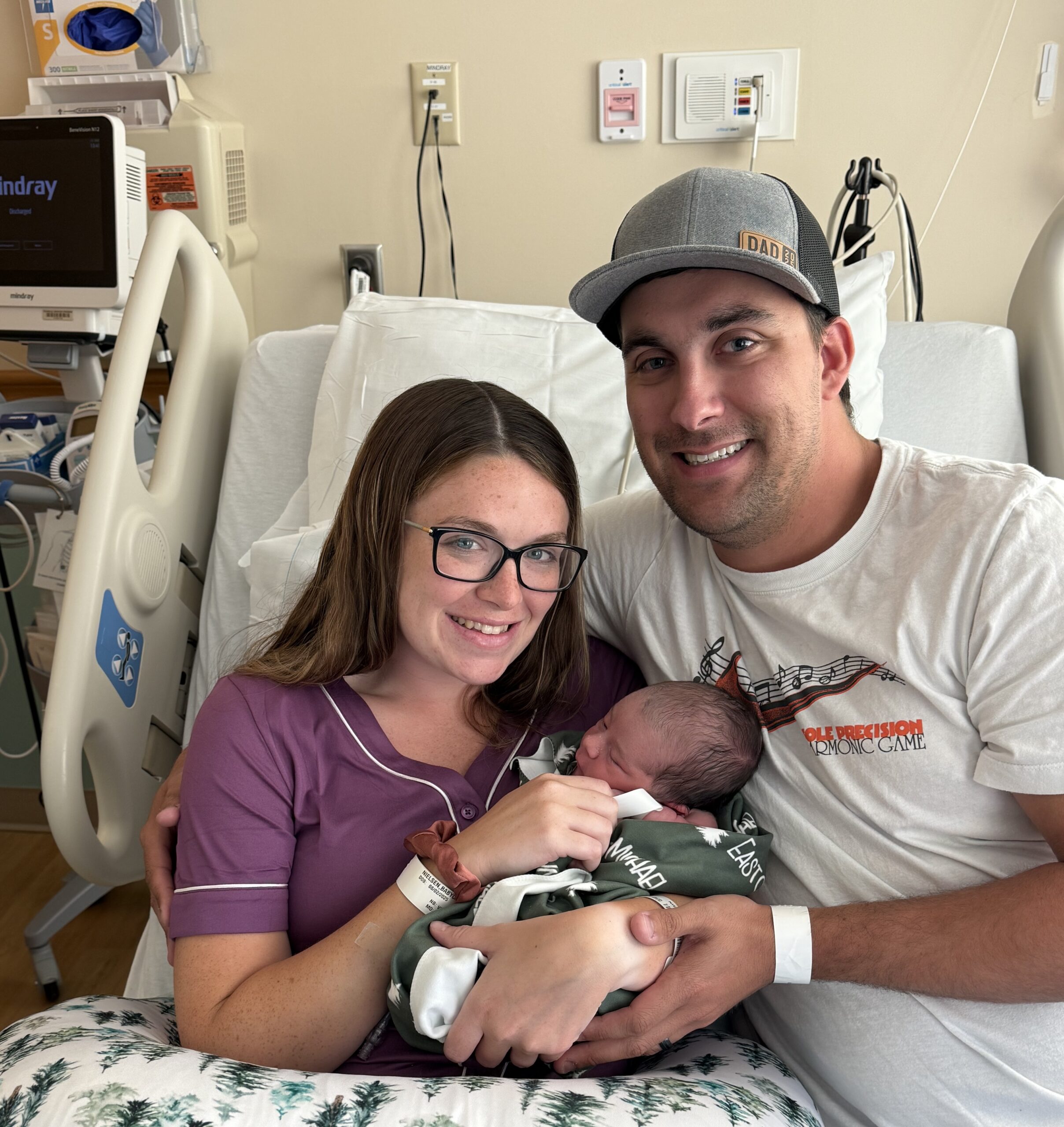
Labor moved quickly, and soon the couple welcomed their son, one of 301 babies born at the hospital in 2025.
“NMC is great because it doesn’t matter who you are or where you come from,” Cameron says. “You go in, and they treat you with a sense of community and exceptional care.”
Addressing Rural Health Care Challenges
Like many rural hospitals in Vermont, NMC faces challenges, including fewer births, higher costs, and staffing challenges. Birthing trends have declined at the hospital, from 500 to about 300 annually. But the Family Birth Center is committed to serving the community.
“We are truly dedicated to caring for birthing persons and babies,” says Colleen Moran, MD, director of Inpatient Pediatrics and Service Chief for Obstetrics and Pediatrics.
Moran emphasizes that local OB-GYN services are vital for rural areas. Perinatal care not only benefits families but also strengthens the hospital’s community role.
An Evolving Health Care Model
Nationwide, and specifically in Vermont, there are multiple impacts specifically on rural hospitals including decreasing birth rates, high cost of living with housing shortages, rising insurance costs with reimbursement rates not covering full cost of deliveries add to challenges of maintaining birth centers specially, Moran says.
With a goal of creating a long-term sustainable model to provide comprehensive women’s health, NMC is working toward a collaboration with private practice. If feasible, a full transition could take two to three years and would include both outpatient care, deliveries, and surgical intervention for all-inclusive OB/Gyn services, Moran explains.
Overall, if achievable, it would hopefully attract more local families back to NMC and retain the patients currently being served. Staff members are actively reassuring patients that the Family Birth Center is still operating and available for deliveries.
“No matter how our care model evolves, our team’s dedication to the community and compassionate care remains strong,” Moran says.
Caring for Parents and Babies
NMC remains dedicated to its mission of serving families in the community.
“We are committed to making sure families can get safe, high-quality care close to home,” Moran says. “It’s not just about delivering babies. It’s about supporting families, from prenatal care through those first important days and weeks after childbirth.”
Caylin’s experience at the Birthing Center is a testament to that commitment.
“The doctors, nurses, and staff truly meet you where you are, taking the time to ensure you feel comfortable and supported every step of the way,” Caylin says. “They explain everything clearly, so you always understand what’s happening and feel empowered along the way.”