
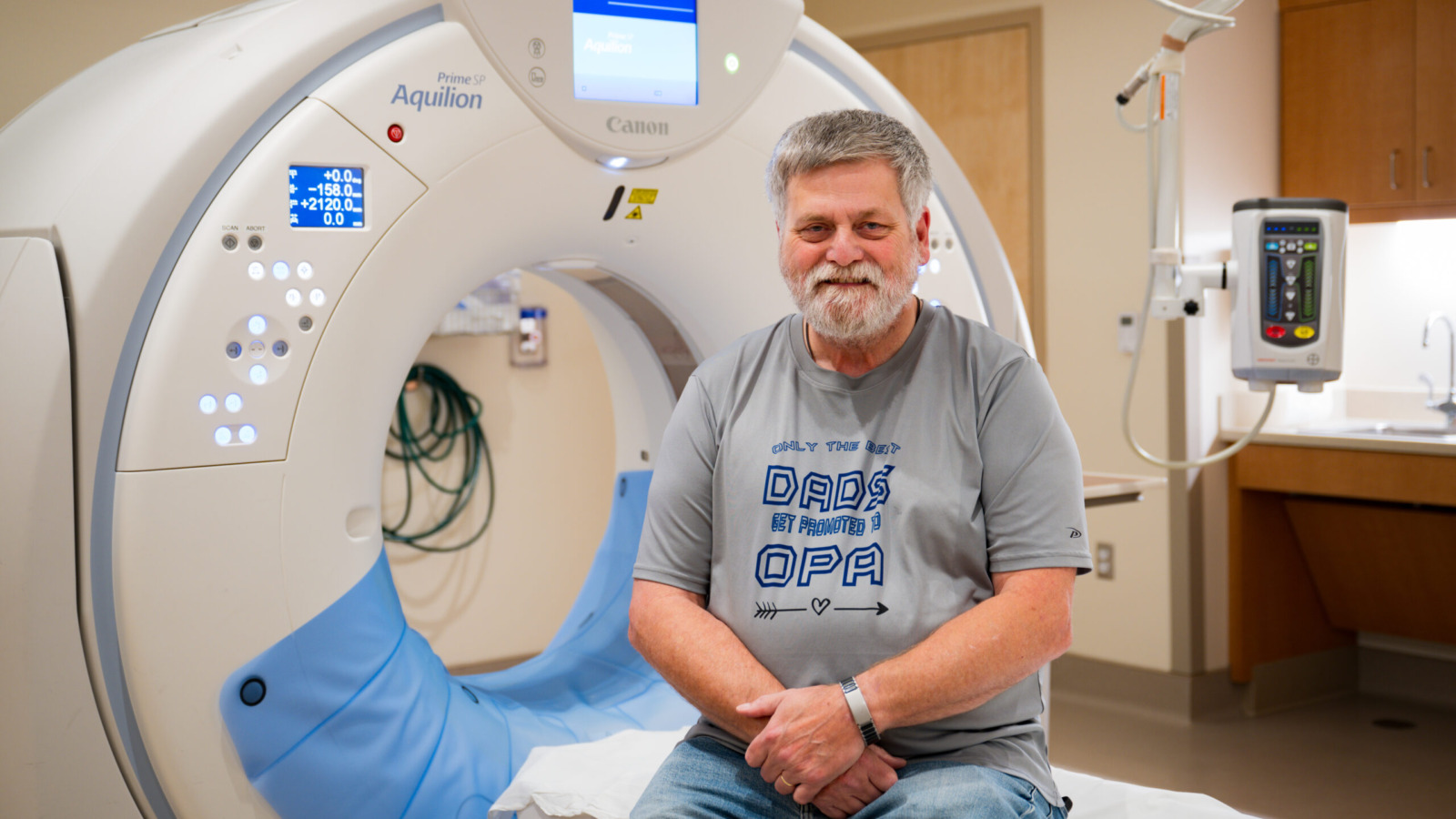
When George Flower of Enosburgh looks back to 2016, he knows the decision to get screened for lung cancer was possibly the single most important medical choice he ever made. As a long-time smoker—from 1975 until quitting in 2006- George was familiar with the risks. What he didn’t expect was how routine medical advice would help him catch cancer at its earliest, most treatable stage.
“I wasn’t having symptoms. But after my heart attack, my rheumatologist urged me to get a low-dose CT scan to screen for lung cancer,” George recalled. “I hesitated. Sometimes, it feels like doctors recommend a lot of tests. But before I left the office, I decided to go ahead.” That decision changed the course of his life.
The scan, which he describes as “easier than an X-ray—10 minutes and you’re done,” revealed a 10mm tumor. Follow-up tests at the University of Vermont Medical Center confirmed early-stage cancer. “My oncologist told me that if I’d waited another three or four years, the tumor would have been much further along and likely not removable.”
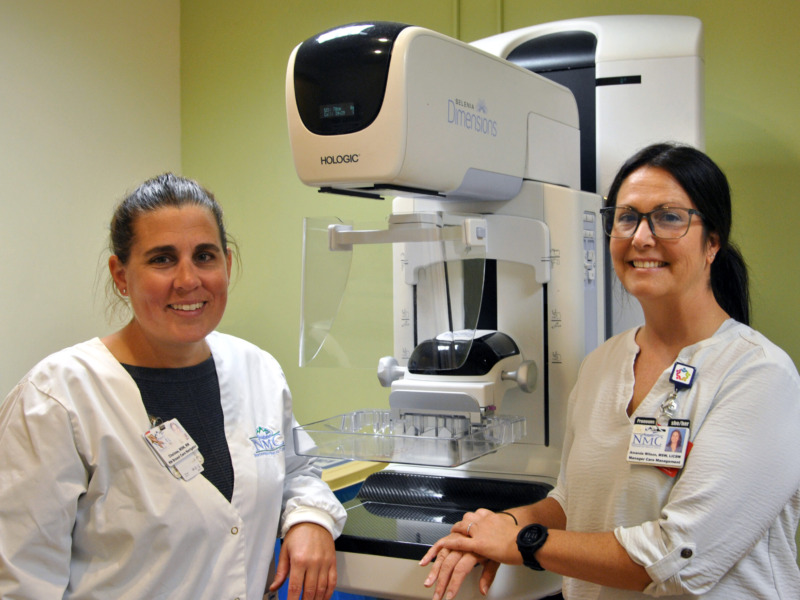
On June 6th, 2026, George will celebrate the 10th anniversary of life-saving surgery, in which surgeons removed the lower lobe of his left lung. He credits early detection for giving him not only more years, but better quality of life. “Cancer is so often silent at first. By the time you have symptoms, it’s often too late,” he said. Cynthia Bemis and Chloe Longe, CT Technologists at Northwestern Medical Center echoed the importance of early screening during a November 9th Lung Cancer screening event at Northwestern, “It’s so important- so important!” said Cynthia; “George’s story is such a powerful and important one” and as George says, “If telling my story gets one person to be screened, it will be worth it.”
George’s story aligns with the data. Vermont’s lung cancer incidence remains higher than the national average, at 54.2 cases per 100,000 people. Yet, Vermont leads in the fight against this disease because of stories like George’s. Thirty-two percent of lung cancer cases here are found at an early stage, compared to just 27.4% nationally. The five-year survival rate for Vermonters diagnosed with lung cancer is now 32.8%, well above the national average of 28.4%. This progress is due in part to readily available screening at Vermont hospitals, like Northwestern Medical Center. Vermont ranks 8th in the nation for screening rates, with over 20% of eligible individuals getting tested each year.
The benefits of early screening are clear—not just in statistics, but in lives changed. For patients like George, the survival rate for stage I lung cancer is greater than 70%, compared to less than 10% for those diagnosed at the most advanced stage. National data from the landmark National Lung Screening Trial (NLST) proved that annual low-dose CT screenings reduce lung cancer mortality by 20% compared to traditional chest X-ray, and that most cancers detected by this method are found at an earlier, more curable stage.
For high-risk populations—like current and former smokers aged 50 to 80, Low Dose CT scans are an evidence-backed method proven to identify early stage cancer, according to the CDC. Major organizations including the U.S. Preventive Services Task Force and American Cancer Society call low-dose CT “the gold standard.”
George, an ordained minister and US Navy Veteran, now uses his experience to encourage others to be screened. He speaks candidly of losing family members to cancer, who may have lived longer lives had they been screened early. George suggested that there was debate 10 years ago in the medical community about whether the benefits outweighed the risks. But today, low-dose CT scans are the gold standard, especially for people with a smoking history.
Over the last ten years, George has formed a trusting relationship with Northwestern Medical Center as he continued with yearly follow-up CT screens, and he shared his appreciation for NMC offering this service in our community.
As George prepares to celebrate a decade cancer-free, he’s grateful for the time his early diagnosis gave him. He was able to watch his grandchildren grow and enjoy more travel with his wife. George said, “I have a better appreciation for life, and I hope to make the most of it.”
If you are at risk, especially with a history of smoking, ask your primary care provider about a low-dose CT screening at Northwestern Medical Center. It’s simple, quick, and could change your life, just as it did for George.
https://www.northwesternmedicalcenter.org/services/cancer-services/
For help to quit smoking for good visit https://www.802quits.org
https://www.lung.org/research/state-of-lung-cancer/states/vermont
https://www.lung.org/media/press-releases/state-of-lung-cancer-2024-vt https://pmc.ncbi.nlm.nih.gov/articles/PMC4817217/