Breast Health
Taking care of your breast health starts with knowing what’s normal for your body and staying up to date with recommended screenings.

Taking care of your breast health starts with knowing what’s normal for your body and staying up to date with recommended screenings.
Whether you’re scheduling a routine mammogram, following up on a change or simply have questions, we’re here to help you get answers and feel supported in your care.
Most breast changes are not cancer. Still, any new or unusual change should be checked so you have clear answers and peace of mind.
Screening tests like mammograms can help find breast cancer early, before symptoms appear. Just as importantly, normal results can be reassuring and help you stay on track with routine care.
Breast Health
We provide breast imaging, follow-up testing and coordinated care. If additional evaluation is needed, your care team will guide you through next steps and connect you with the right services.
We use advanced imaging and thoughtful practices to support both accuracy and patient comfort.

Helpful tips
One of the most helpful things you can do for your breast health is becoming familiar with what’s normal for you.
Instead of a formal monthly exam, experts recommend breast self-awareness—noticing changes and reporting anything new or unusual to your healthcare provider.
Contact your provider if you notice:
Most breast changes are not cancer—but they should always be evaluated.
Between work, school, relationships and everything else life brings, it’s easy to put your own health on the back burner. Learn what’s normal for your body, share any family history of breast or ovarian cancer with your provider, and mention any new changes such as lumps, skin changes or nipple discharge.
If something feels different, don’t wait—getting it checked early is always okay.
In your 20s and 30s

Your 40s can be a busy season of life, whether you’re focused on your career, caring for loved ones, raising a family or juggling many responsibilities. This is when many people begin routine mammograms, so talk with your provider about when to start screening and how often it’s right for you based on your personal risk.
Making time for your own health is just as important as taking care of everyone else.
In your 40s

As life changes and your schedule evolves, it’s easy to think less about preventive care when you’re feeling well. Continue regular mammograms, stay aware of any changes between screenings and talk with your provider about any new concerns.
Staying consistent with screening is one of the simplest ways to protect your health for years to come.
Age 50 and older

You could qualify for a free mammogram
If you need a mammogram but are worried about cost, help may be available. You may qualify for free or low-cost screening programs. Our team can help you understand options and connect you with available resources.
You First is a Vermont program that helps eligible residents get free breast and cervical cancer screenings and follow-up care.
Schedule an appointment with your healthcare provider. Most breast lumps are not cancer, but they should always be evaluated.
Most people feel temporary pressure or discomfort during compression, but it only lasts a few seconds. Our team works to make the experience as comfortable as possible.
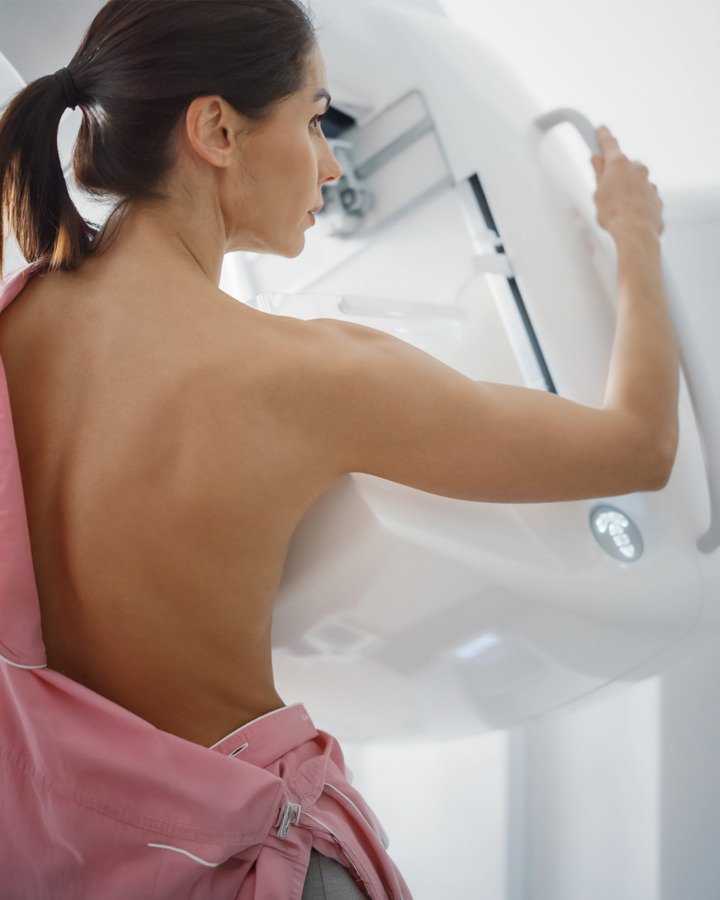
A technologist positions the breast for a few quick images using compression. The entire visit usually takes about 20–30 minutes.
Your care team will explain when and how you will receive your results before you leave your appointment.
An abnormal result does not necessarily mean cancer. Many findings are benign. If follow-up testing is needed, we’ll explain the next steps and coordinate your care.
Financial assistance and free screening programs may be available for those who qualify. Contact us to learn more.
You’ll be seen in one of these locations depending on the type of breast health care you need.
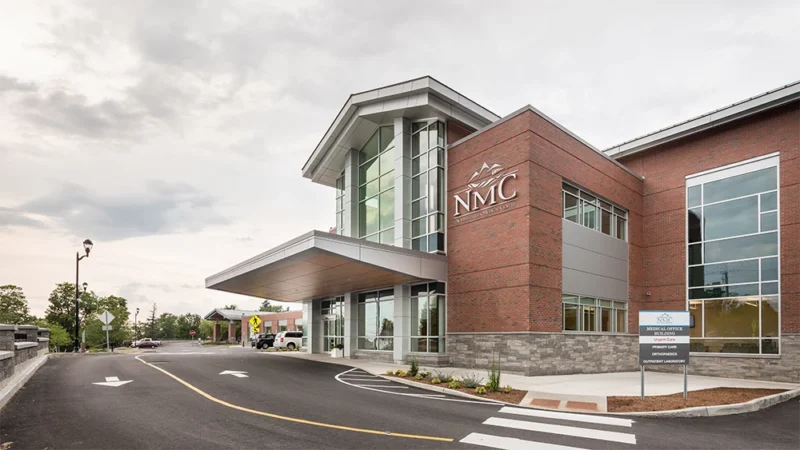
Medical Office Building
133 Fairfield Street
St. Albans, VT 05478
Free parking
Hours:
Monday–Friday, 7:30 a.m.–5 p.m.

Northwestern Medical Center
133 Fairfield Street
St. Albans, VT 05478
Free parking
Hours:
Monday–Friday, 7 a.m.–5 p.m.
Diagnostic services offered: CT scan (multi slice), Digital mammography, Fluoroscopy, MRI-high field, Ultrasound, X-ray (general diagnostic)
Northwestern Medical Center
133 Fairfield St
St. Albans, VT 05478
[email protected]
Hours:
Monday – Friday, 8 a.m.–4:30 p.m.