OFFICE HOURS
Monday – Friday
8:00 a.m. – 4:30 p.m.
CONTACT
(802) 752-1921

ADDRESS
128 Fisher Pond Road
St. Albans, VT 05478
Welcome to Ophthalmology
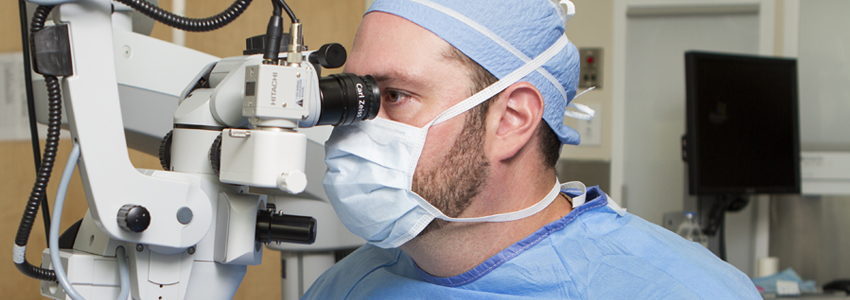
In an effort to improve access to specialized eye care in our community, we established Northwestern Ophthalmology under the direction of board-certified ophthalmologist, Gregory Brophey, MD. Dr. Brophey has over ten years of experience with a comprehensive range of medical and surgical eye care services. He performs surgeries exclusively at NMC Surgical Services, using the latest eye care technology and equipment, including lasers for the treatment of glaucoma and diabetic retinopathy, as well as diagnostic equipment for individuals with glaucoma, certain corneal diseases and certain retinal diseases such as macular generation and diabetes. If you have experienced an eye injury or eye irritation, contact us to learn about what we can do to improve your vision.
Key services
- Cataract surgery
- Diabetic eye care
- Diabetic retinopathy
- Dry Eye Treatment
- Lens implants
- Macular Degeneration
- Medical glaucoma care
- Surgery of eyelids
- Surgical glaucoma care
Telemedicine
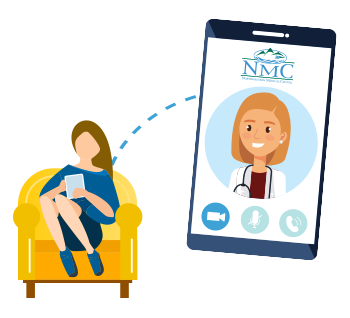
NMC offers telemedicine visits for a variety of services, providing high-quality care from the providers you know and trust.
How to schedule a telemedicine appointment: It’s easy to set up. When scheduling an appointment with us, we will let you know if a telemedicine visit is an option for the treatment you are seeking. If it is and you’d like to schedule a telemedicine visit, we will then give you instructions on how to make the connection, which will use NMC’s Patient Portal Virtual Visit functionality.
To learn more about the benefits of telemedicine and read frequently asked questions, click here.
Patient story

An Eye Opener for Joyce
Joyce Berger’s vision had grown cloudy so gradually, she didn’t realize the impact cataract surgery would have on her quality of life.
“I wasn’t even aware that I really had problems with my eyes,” she says.”This surgery become a blessing in disguise.”
Meet our providers
Northwestern Ophthalmology Providers

Did you know?

He's wonderful and I recommend him to everyone.

More patient feedback
See what patients of Dr. Brophey are saying on Healthgrades and on Vitals.
Guide to healthy eyes
Maintaining healthy eyes and eyesight is an important factor in maintaining a high quality of life as you age. Every year, countless individuals experience complications with their vision. Many of these issues can be corrected or even avoided if treated in a timely manner. However, leaving them untreated or undiagnosed can lead to partial vision loss or even permanent blindness. The following tips help support healthy vision and can protect you against vision loss and disease:
Protect your eyes: From skiing to woodworking, it is important to wear the protective eyewear certain activities call for. Eyes that are not properly shielded are subject to dryness, irritation and redness. It is also important to be weary of damaging UVA and UVB rays in the summer and winter months. Wearing sunglasses with polarized lenses will help deflect harmful sun rays and protect your eyesight. Take a break: Like the rest of your body, your eyes can tire and need regular breaks. If your job requires you to view a computer monitor for multiple hours, you will want to give your eyes a rest if they become dry or your vision becomes blurry. If you have trouble focusing on elements on the screen, try improving your immediate environment by increasing text size or adding additional light – avoid squinting.
Diet: Maintaining a healthy diet and weight are essential to good eye health. Foods containing rich amounts of Omega-3 fatty acids (such as fish and leafy greens) support vision and help thwart diabetes. Weight issues such as obesity have been associated with the development of age-related macular degeneration, cataracts, glaucoma and diabetic retinopathy – all of which can lead to blindness.
Smoking: Smoking is harmful to all areas of the body, especially your eyes! If you are a smoker looking for help quitting, look for our next smoking cessation workshop in our hospital calendar.
Hygiene: Avoid the transfer of bacteria to your eyes by keeping hands clean and away from your face. If you have contact lenses, always make sure to properly clean your hands and lenses prior to inserting them into your eyes. Proper sanitation can prevent eye infections such as pink eye or eyelid inflammation.
Eye exams: Conditions such as macular degeneration have no warning signs, so it is important to have routine eye exams. Have your eyesight reviewed by an eye care specialist, such as a local optometrist, to address issues before they become serious. In most cases, an eye exam will simply result in prescription glasses or contact lenses for vision correction.